As a result, many students seek O Level Physics tuition to strengthen their understanding, improve their answering techniques, and prepare effectively for examinations. However, with so many tuition options available in Singapore, choosing the right programme can be overwhelming.
This guide explores the key factors students and parents should consider when selecting an O-Level Physics tuition programme and how to identify one that delivers meaningful academic improvement.
Key Takeaways
- Choose an experienced Physics specialist with a strong track record of teaching O-Level students and helping them improve.
- Prioritise conceptual understanding and application skills, rather than relying on rote memorisation alone.
- Look for a structured programme that provides quality learning materials, guided revision, and exam-focused practice.
- Consider class size carefully, as smaller classes often allow for more personalised attention and student engagement.
- Evaluate student support beyond lessons, including consultations, feedback, and help with difficult topics.
- Focus on teaching quality and proven student outcomes rather than marketing claims, fees, or location alone.
1. Look for a Physics Specialist Rather Than a General Tutor
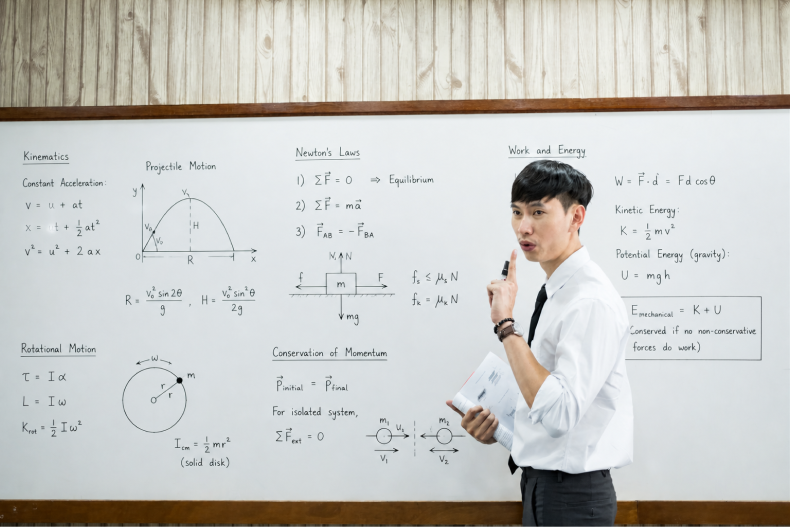
One of the most important factors to consider when choosing a Physics tutor is whether they specialise in teaching O Level Physics.
Many tuition providers offer multiple subjects, but not every tutor has deep expertise in Physics. Since the O Level Physics syllabus requires strong conceptual teaching and application skills, students often benefit more from learning under a dedicated Physics specialist who focuses specifically on the subject.
A specialist tutor is typically better equipped to:
- Explain difficult concepts in multiple ways
- Identify common misconceptions
- Teach efficient problem-solving methods
- Stay updated with syllabus requirements and examination trends
- Provide targeted strategies for different question types
When evaluating tuition options, parents should find out how much experience the tutor has teaching Physics specifically, rather than simply teaching Science in general.
2. Consider the Tutor’s Teaching Experience
Teaching experience is a significant factor in the effectiveness of a tuition programme.
Experienced tutors have typically worked with students of varying academic abilities and understand the common challenges students face. They are also more likely to have refined their teaching methods over the years.
When researching a tutor, consider factors such as:
- Number of years teaching Physics
- Experience teaching O Level students
- Previous teaching positions
- Track record of student improvement
- Familiarity with the Singapore curriculum
Many parents value tutors with school teaching experience because they are often familiar with curriculum expectations and examination standards.
However, experience alone is not enough. To choose the right tutor, parents should also look at whether the tutor can communicate concepts clearly and engage students effectively.
3. Evaluate the Teaching Methodology

Every tuition centre has its own teaching style.
Some focus heavily on drilling examination papers, while others prioritise conceptual understanding before introducing application questions.
Ideally, an effective O Level Physics tuition programme should include:
Topical Re-Teaching
Students often struggle because they have misunderstood foundational concepts in physics earlier in the year. Re-teaching allows tutors to address misconceptions and rebuild understanding from the ground up.
Guided Practice
Students need opportunities to apply concepts through structured questions with guidance from the tutor.
Examination Techniques
Strong content knowledge alone may not guarantee good grades. Students should also learn how to interpret questions, present answers clearly, and avoid common examination mistakes.
Regular Reviews
Learning should be reinforced through periodic reviews and assessments that track progress, identify weak areas, and feed those findings back to the student’s subsequent learning and support.
A balanced approach that combines conceptual understanding with examination preparation tends to produce more sustainable results.
4. Check the Quality of Learning Materials
High-quality learning resources can significantly improve the learning experience.
Well-designed notes and worksheets help students organise information, review concepts efficiently, and practise application skills independently, and stronger providers often show years of teaching experience in their learning resources.
When assessing a tuition programme, parents may wish to ask:
- Are the notes created in-house?
- Are materials regularly updated?
- Do worksheets reflect current examination standards?
- Are students given sufficient practice questions?
The best tuition centres often develop their own materials based on years of classroom experience and student feedback. These resources are usually designed to address common misconceptions and difficult concepts more effectively than generic worksheets.
5. Consider Class Size Carefully

Class size can have a significant impact on learning outcomes.
While large lecture-style classes may work well for highly independent learners, many secondary school students benefit from smaller groups, especially in a small group format that sits between one-to-one tutoring and larger classes, where they can interact directly with the tutor.
Smaller classes often provide:
- More opportunities to ask questions
- Greater individual attention
- Faster identification of learning gaps
- Better classroom engagement
- Stronger student-teacher relationships
Smaller classes may encourage greater participation and more opportunities for interaction, particularly in subjects that require conceptual understanding and active participation.
When choosing a tuition centre, parents should compare different physics tuition classes to determine whether students will receive sufficient personalised attention rather than simply being one of many students in a large classroom.
6. Look Beyond Marketing Claims and Examine Results
Many tuition providers advertise impressive results, but the best physics tuition should not be defined by marketing alone. However, it is important to evaluate these claims carefully.
Instead of focusing solely on distinction rates, judge the best physics programmes by longer-term performance, such as:
- Consistency of results over several years
- Improvement rates among average students
- Student testimonials
- Parent feedback
- Evidence of long-term success
A strong tuition programme should demonstrate its ability to help students improve from different starting points rather than only highlighting top-performing students.
Students who progress from failing grades to passes or distinctions often provide a clearer indication of teaching effectiveness.
7. Assess Whether Students Receive Additional Academic Support
Learning does not stop when class ends. A good physics tuition centre should also provide clear after-class support so students can get help when questions arise after lessons.
Students often encounter difficulties while revising independently and may need clarification outside scheduled lessons.
Useful forms of academic support include:
- Consultation sessions
- Homework feedback
- Question-and-answer support
- Examination preparation workshops
- Revision programmes
Additional support can help students address problems promptly before misconceptions become entrenched.
Parents should compare how accessible the tutor is and what after-class help is available at each tuition centre in Singapore when students require assistance outside regular lessons.
8. Determine Whether the Programme Focuses on Understanding or Memorisation
One of the biggest mistakes students make in Physics is relying solely on memorisation.
While certain definitions and formulas must be remembered, success in Physics depends largely on understanding the relationships between concepts.
Questions increasingly test students’ ability to:
- Analyse unfamiliar situations
- Apply principles to new contexts
- Explain observations logically
- Connect multiple concepts together
An effective tuition programme should encourage students to think critically rather than memorise answers mechanically.
When students genuinely understand concepts, they become more confident in tackling unfamiliar examination questions.
9. Read Student Testimonials and Reviews
Reviews and testimonials can provide valuable insights into the actual student experience.
Pay special attention to local course reviews in Singapore that highlight the same strengths repeatedly. Look for recurring themes such as:
- Improved confidence
- Better understanding of concepts
- Strong tutor support
- Effective teaching methods
- Noticeable grade improvements
While testimonials should not be the sole factor in decision-making, they can help parents understand what students appreciate most about a particular programme.
Consistent positive feedback over many years is often a strong indicator of teaching quality and long-term reputation among tuition centres in Singapore.
10. Consider the Learning Environment
A conducive learning environment can influence motivation and concentration.
Students generally learn better when they feel comfortable asking questions and participating actively in class discussions.
Factors to consider include:
- Classroom atmosphere
- Student engagement levels
- Tutor approachability
- Accessibility of the location
- Overall learning culture
Some students thrive in highly competitive environments, while others perform better in supportive and collaborative settings.
Parents should choose a programme that matches the student’s learning preferences and personality, as this is a key part of finding the right physics tuition.
Red Flags to Watch Out For
When evaluating how to choose the right O Level Physics tuition options, parents should remain cautious of programmes that:
- Focus exclusively on memorisation
- Have excessively large class sizes
- Cannot explain their teaching methodology clearly
- Make unrealistic grade guarantees
- Provides little opportunity for student interaction
- Offer limited feedback or academic support
Choosing tuition based solely on price can also be risky. While affordability is important, the overall quality of teaching and support often has a greater impact on student outcomes.
Why Students Seek O-Level Physics Tuition
Physics requires students to develop both conceptual understanding and problem-solving skills. Unlike subjects that rely heavily on content recall, Physics often demands the application of multiple concepts within a single question, so students need a strong foundation in Physics before they can handle unfamiliar problem types confidently.
While some parents initially consider O Level Science tuition, students taking Pure Physics often benefit from specialised Physics tuition that focuses on the specific concepts, calculations, and examination techniques required for the subject.
Common reasons many students seek O Level Physics tuition for O Level preparation include:
- Difficulty understanding abstract concepts and scientific principles
- Weaknesses in mathematical applications within Physics questions
- Poor examination answering techniques
- Lack of confidence when approaching structured questions
- Falling behind in school due to a fast-paced curriculum
- Preparing for major examinations such as prelims and the O Levels
A good tuition programme can help bridge learning gaps and provide the expert guidance and structure students need to improve consistently.
How Early Should Students Start O-Level Physics Tuition?
Many students begin tuition only after receiving disappointing examination results. Other students begin exploring O Level tuition options in Secondary 3, allowing them to build a stronger foundation before entering the intensive examination preparation phase in Secondary 4.
However, starting earlier can provide several advantages:
- Stronger mastery of foundational concepts
- More time to address weaknesses
- Reduced examination stress
- Better preparation for school assessments
- Greater confidence approaching the O Levels
That said, students can still make significant improvements even when starting later, provided the programme is structured and targeted appropriately.
The key is identifying learning gaps quickly and addressing them systematically.
Why the Right Tutor Matters More Than the Brand Name
Large tuition chains often invest heavily in marketing and expansion. While some provide quality programmes, students should remember that the quality of teaching often has a greater impact than brand recognition.
An experienced and dedicated tutor who understands student needs can often deliver better results than a large organisation focused on scale.
Parents should therefore prioritise:
- Teaching quality
- Subject expertise
- Student support
- Track record
- Learning environment
Rather than selecting tuition based purely on brand recognition, it is often more beneficial to focus on the quality of instruction students will receive every week.
How AO Studies Supports O-Level Physics Students
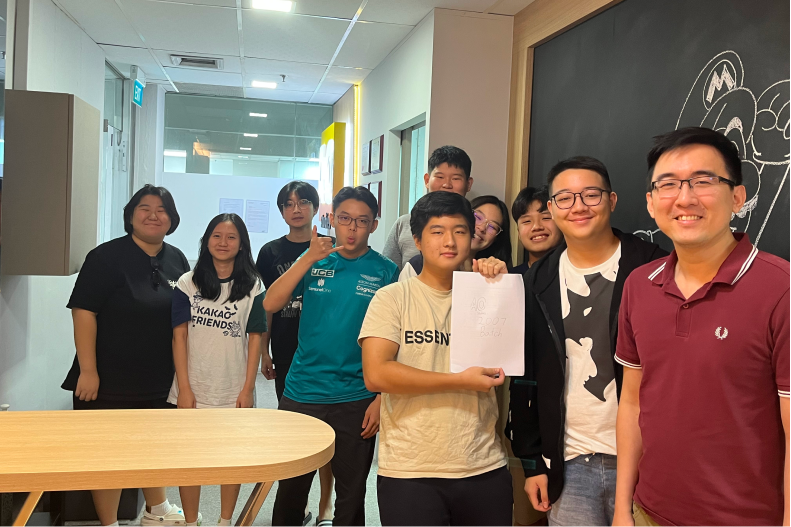
For students seeking O Level Physics tuition in Singapore, AO Studies offers a specialised programme focused on conceptual understanding, examination skills, and measurable academic improvement.
The programme is taught by Mr Joseph Ang, an ex-MOE teacher with over a decade of teaching experience in Physics and Chemistry. AO Studies focuses on delivering lessons through its in-house subject specialists in ways that respond to your child’s learning needs, rather than relying on freelance tutors.
Some key features of the programme include:
- Lessons conducted by an experienced Physics specialist
- Comprehensive topical re-teaching to address misconceptions
- Handcrafted notes and tutorials developed in-house
- Small class sizes with max. 14 students, which allows for closer interaction with students
- Additional consultation support for students who require help
- Strong emphasis on examination techniques and concept application
Unlike larger tuition providers that prioritise expansion, AO Studies focuses on maintaining teaching quality and personalised attention. This allows students to benefit from direct guidance and a more supportive learning environment throughout their O Level preparation journey.
Conclusion
Choosing the right O Level Physics tuition programme can significantly influence a student’s academic performance and confidence.
Rather than focusing solely on fees, location, or marketing claims, students and parents should evaluate factors such as tutor expertise, teaching methodology, class size, learning materials, and student support.
A quality tuition programme should help students develop a genuine understanding, strengthen examination skills, and build confidence over time.
By taking the time to evaluate these factors carefully, students can find a tuition programme that supports not only better grades but also a deeper appreciation of Physics as a subject.