
While memorisation is important, O-Level Chemistry also requires students to understand concepts deeply, apply knowledge to unfamiliar situations, and communicate answers using precise scientific terminology. As recent O-Level Chemistry examinations place strong emphasis on application, scientific reasoning, and data interpretation, many students find that simply attending school lessons may not be enough.
This is where O-Level Chemistry tuition can make a significant difference. The right tuition programme can strengthen conceptual understanding, improve answering techniques, and help students gain the confidence needed to excel in examinations.
However, with so many tuition centres and tutors available in Singapore, how do you know which one is the right fit?
This guide explores the key factors students and parents should consider when choosing O-Level Chemistry tuition.
Key Takeaways
- Choose an experienced Chemistry tutor with a strong track record and up-to-date knowledge of the O-Level syllabus.
- Prioritise conceptual understanding and exam application, rather than memorisation alone.
- Look for a structured programme with quality study materials, exam-focused practice, and personalised feedback.
- Consider class size and student support, including opportunities to ask questions and access consultations outside class.
- Ensure the programme reflects current examination requirements and equips students to tackle unfamiliar questions confidently.
- Attend a trial lesson and evaluate overall value, focusing on teaching quality and learning outcomes rather than price alone.
Why Students Seek O-Level Chemistry Tuition
Many students searching for O Level Science tuition often struggle with foundational concepts that affect their Chemistry performance as well. Before evaluating tuition options, it is important to understand why students struggle with Chemistry in the first place.
Common challenges include:
- Difficulty understanding abstract concepts
- Weak foundation in lower secondary Science, which often becomes more obvious when students move into Secondary Chemistry topics at higher levels
- Inability to apply concepts to unfamiliar questions
- Poor answering techniques for structured questions
- Difficulty interpreting practical and experimental data
- Ineffective revision methods
- Lack of confidence during examinations
As students advance through the syllabus, these challenges can accumulate and lead to declining grades. A good Chemistry tutor should help parents identify their child’s weak areas and, when school lessons are not enough, recommend suitable science tuition that provides targeted support.
Look for a Tutor with Strong Subject Expertise
One of the most important factors when choosing O-Level Chemistry tuition is the quality of the tutor.
Many tuition centres focus heavily on branding, facilities, or marketing, but ultimately, the tutor is the person responsible for helping students understand difficult concepts and improve their results.
When evaluating a tutor, consider:
- Academic qualifications
- Teaching experience
- Familiarity with the latest O-Level syllabus
- Track record of student improvements
- Ability to explain difficult concepts clearly
An experienced tutor will not simply teach content. They will understand common student misconceptions, anticipate mistakes, and provide explanations that make complex topics easier to grasp.
Students should also feel comfortable asking questions during lessons. A tutor who encourages discussion and actively engages students often creates a more effective learning environment.
Consider Whether the Tutor Understands Current Examination Trends
The O-Level Chemistry examination has evolved over the years.
Examiners increasingly assess students’ ability to:
- Apply concepts to real-world situations
- Analyse experimental data
- Explain observations scientifically
- Draw logical conclusions from the information provided
- Answer higher-order thinking questions
As a result, memorising model answers alone is no longer sufficient.
When researching tuition options, ask whether the tutor regularly updates lesson materials and teaching methods to reflect current examination requirements.
A tutor who keeps up with syllabus changes and examination trends can help students develop the skills needed to tackle unfamiliar questions confidently.
Evaluate the Quality of Learning Materials
The quality of study materials can significantly impact a student’s learning experience.
Strong Chemistry tuition programmes often provide:
- Comprehensive study notes
- Topical summaries
- Guided tutorials
- Revision packages
- Practice papers
- Examination technique worksheets
Good notes should simplify difficult concepts without oversimplifying them. They should also organise information logically, making revision more efficient.
Students should avoid programmes that rely solely on school worksheets or generic assessment books. Carefully crafted materials often reflect a tutor’s experience and understanding of student learning needs.
Choose a Tuition Programme That Prioritises Understanding

Many students attempt to memorise Chemistry concepts without truly understanding them.
This approach may work temporarily but often breaks down when students encounter unfamiliar examination questions.
A good Chemistry tuition programme should focus on:
Conceptual Understanding
Students should learn why chemical processes occur rather than merely memorising facts.
For example, instead of memorising trends in the Periodic Table, students should understand the underlying principles that explain those trends.
Visual Learning
Chemistry contains many microscopic processes that cannot be observed directly.
Effective tutors often use:
- Diagrams
- Animations
- Visual representations
- Real-world examples
These tools help students visualise abstract concepts and retain information more effectively.
Application-Based Learning
Students should regularly practise applying concepts across different question types.
This develops flexibility in thinking and improves examination performance.
Consider Class Size Carefully
Class size can significantly influence the effectiveness of tuition.
Very Large Classes
Some large classes may offer lower fees, although this varies between tuition providers, but students often receive limited individual attention.
In some cases, students may feel uncomfortable asking questions in front of dozens of peers.
One-to-One Tuition
Private tuition provides maximum personal attention but may not suit every student.
Some students benefit from collaborative discussions and exposure to different perspectives from classmates.
Small Group Tuition
For many students, small group tuition offers the best balance.
Smaller classes typically allow tutors to:
- Monitor student progress closely
- Address misconceptions promptly
- Encourage participation
- Provide personalised feedback
When comparing tuition centres in Singapore, ask about average class size and how lessons are conducted to gauge the level of interaction students receive.
Assess the Tuition Centre’s Track Record
While no tuition centre can guarantee results, a reputable chemistry tuition centre with stable outcomes and genuine word-of-mouth may better reflect consistent teaching quality.
Look beyond headline statistics and consider:
- Student testimonials
- Improvement stories
- Long-term consistency
- Referrals from existing students
It is particularly encouraging when students report substantial grade improvements over time, especially if they initially struggled with the subject.
When comparing chemistry tuition centres, parents should weigh long-term teaching quality and consistency rather than relying only on marketing claims.
Word-of-mouth referrals can also provide useful insights into the quality of teaching and student experience.
Find Out How Students Are Supported Outside of Class
Learning does not stop when a lesson ends.
Many successful students benefit from additional academic support between lessons.
Consider whether the tuition programme offers:
- Consultation sessions
- Question-and-answer support
- Revision workshops
- Extra practice materials
- Progress monitoring
These additional resources can be particularly valuable during examination periods when students may require extra guidance.
Look for a Structured Learning System
Effective tuition programmes usually follow a systematic approach rather than teaching topics randomly.
A structured Chemistry programme often includes:
Foundation Building
Students first strengthen their understanding of fundamental concepts.
Topical Mastery
Each chapter is taught thoroughly with guided practice.
Application Practice
Students learn how to apply concepts across different question formats.
Examination Preparation
Lessons increasingly focus on answering techniques, time management, and examination strategy.
This progression helps students build confidence steadily throughout the academic year.
Consider the Learning Environment
The best learning environments are not necessarily the most luxurious.
Instead, they should be:
- Comfortable
- Focused
- Conducive to learning
- Encouraging and supportive
Students learn more effectively when they feel comfortable asking questions and making mistakes.
A positive classroom culture often plays an important role in academic improvement.
Evaluate Whether the Programme Matches Your Learning Style
Every student has different learning styles.
Some students benefit from:
- Detailed explanations
- Step-by-step guidance
- Visual demonstrations
- Frequent practice
- Interactive discussions
When selecting a tuition programme, parents should consider whether the tutor’s teaching style suits their child’s learning preferences and need for active participation.
Attending a trial lesson, where available, can help students determine whether the programme is a good fit.
Signs That a Chemistry Tuition Programme May Not Be Suitable
Parents and students should also be aware of potential warning signs.
These may include:
- Excessively large class sizes
- Outdated materials
- Limited opportunities to ask questions
- Overreliance on memorisation
- Lack of clear lesson structure
- Minimal feedback on student performance
If a programme focuses primarily on completing worksheets without ensuring conceptual understanding, students may struggle to achieve long-term improvement.
Questions to Ask Before Enrolling
Before making a final decision, consider asking:
- Who will be teaching the class?
- How much experience does the tutor have?
- What is the average class size?
- How are lessons structured?
- Are learning materials provided?
- How is student progress monitored?
- Is additional support available outside class?
- What results have previous students achieved?
The answers can help parents and students make a more informed decision.
How AO Studies’ O-Level Chemistry Programme Stands Out
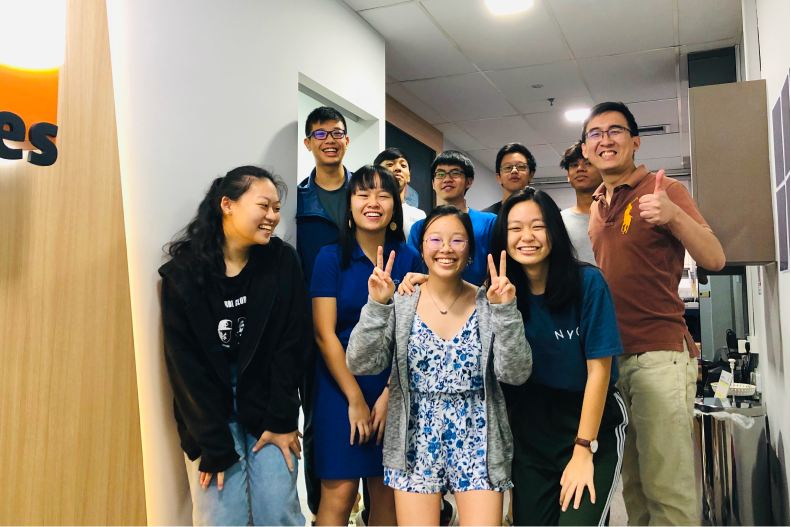
For students seeking O-Level Chemistry tuition in Singapore, AO Studies offers a focused and results-driven approach centred on teaching quality rather than large-scale expansion.
The programme is taught by Mr Joseph Ang, an ex-MOE teacher and subject specialist with extensive experience teaching Chemistry and Science students. Lessons are designed to help students develop both conceptual understanding and examination skills through structured instruction, targeted practice, and active discussion. When evaluating the best chemistry tuition, it makes more sense to focus on teaching quality, exam relevance, and overall student support than on centre size or marketing.
Some of the key features of the programme include:
- Small class sizes of max. 14 students, allowing for meaningful interaction and personalised attention.
- Handcrafted study notes and tutorials developed specifically for the O-Level Chemistry syllabus.
- Strong emphasis on conceptual understanding alongside answering techniques.
- Lessons conducted by in-house subject specialists rather than outsourced freelance tutors.
- A proven track record of helping students improve their grades and achieve strong examination outcomes.
Rather than adopting a mass-market approach, AO Studies focuses on delivering high-quality lessons through experienced educators who are deeply involved in curriculum design, lesson planning, and student development.
For students who want personalised guidance, structured learning, and a strong foundation in Chemistry, AO Studies represents a compelling option to consider.
Final Thoughts
Choosing the right O-Level Chemistry tuition programme can significantly influence a student’s academic journey. When choosing O Level tuition, parents should focus on teaching quality and learning outcomes rather than cost alone.
The best tuition programmes do more than improve grades. They help students develop confidence, deepen conceptual understanding, and cultivate effective examination skills that support long-term success.
When evaluating different options, focus on factors such as tutor quality, class size, teaching methodology, learning materials, and student support rather than relying solely on brand recognition or price.
By investing time in selecting the right Chemistry tutor, students can place themselves in a stronger position to achieve their academic goals and perform confidently in the O-Level examinations.